
 By Odin Maxx
Farming is the backbone of the UK’s food system, yet it remains one of the most hazardous professions in the country. From heavy machinery and unpredictable livestock to chemical exposure and long working hours, farmers face unique health and safety risks every day. While many of these risks are well known, they are still too often underestimated or managed informally.
This makes resources like Avensure’s guide to Farm Health and Safety for UK farmers essential reading. By following structured safety protocols and staying compliant with current legislation, UK farmers can significantly reduce accidents, injuries, and legal liabilities while maintaining a productive and sustainable working environment.
The Scale of the Issue: Why Agricultural Safety Matters
According to the Health and Safety Executive (HSE), agriculture has the worst rate of worker fatalities among all major industries in the UK. On average, 20 to 30 people are killed each year on British farms, and hundreds more suffer life-changing injuries. Most of these incidents could have been prevented through better awareness, training, and safer work practices.
The cost of an accident goes far beyond the physical harm—it impacts productivity, reputation, and morale. In family-run farms, the consequences are often deeply personal. Whether you operate a smallholding or manage a large-scale operation, adopting a proactive safety mindset is not just about compliance—it’s about care and responsibility.
Understanding the Legal Framework for Farm Safety
UK farmers are legally bound to protect both workers and visitors under several laws, most notably:
- The Health and Safety at Work Act 1974
- The Management of Health and Safety at Work Regulations 1999
- PUWER (Provision and Use of Work Equipment Regulations) 1998
- COSHH (Control of Substances Hazardous to Health) 2002
- RIDDOR (Reporting of Injuries, Diseases and Dangerous Occurrences Regulations) 2013
These laws require employers to conduct risk assessments, implement control measures, and provide training and personal protective equipment (PPE). Ignorance of the law is not a defence—non-compliance can result in hefty fines, enforcement notices, and in serious cases, prosecution.
Common Hazards on UK Farms and How to Mitigate Them
- Machinery and Equipment Accidents
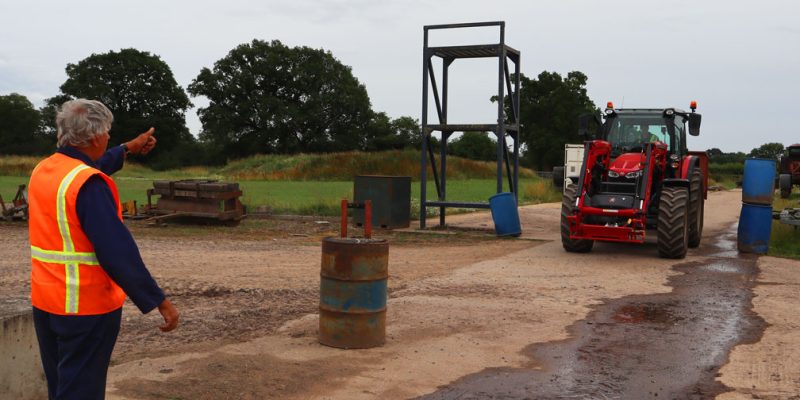
Tractors, balers, harvesters, and other machinery are a leading cause of fatal accidents. These incidents often occur due to poor maintenance, inadequate training, or bypassed safety mechanisms.
To reduce machinery-related risks:
- Ensure all equipment is regularly inspected and serviced
- Train all operators and document their competencies
- Install safety guards and emergency stop functions
- Prohibit children and untrained individuals from using machinery
- Shut down and isolate machinery before attempting repairs
Simple habits like turning off the ignition before dismounting can prevent serious injuries or deaths.
- Livestock-Related Injuries
Handling cattle, sheep, pigs, and horses presents another significant risk. Cattle, in particular, are responsible for many of the fatal injuries reported each year, often involving attacks during calving or movement between fields.
Safe livestock management includes:
- Using proper handling facilities like races and crushes
- Avoiding lone handling of large animals when possible
- Wearing protective boots, gloves, and helmets
- Keeping children and dogs away from livestock
- Ensuring escape routes exist when working in enclosed spaces
Understanding animal behaviour and signs of agitation is crucial to avoiding dangerous encounters.
- Slips, Trips, and Falls
Uneven ground, cluttered yards, wet surfaces, and unsecured ladders contribute to many farm-related injuries. These incidents may seem minor, but they often lead to broken bones and long-term health issues.
Preventative measures include:
- Keeping walkways and workspaces clear of obstructions
- Using proper lighting in barns, sheds, and workshops
- Installing handrails and non-slip surfaces where needed
- Using ladders that meet safety standards and are properly secured
- Avoiding working at height during poor weather
Farmers should also regularly assess surfaces around the property, especially during winter when ice and mud pose extra dangers.
- Chemical and Pesticide Exposure
Farms use a wide variety of chemicals, from fertilisers to herbicides and veterinary medicines. Exposure can lead to skin irritation, respiratory issues, or long-term diseases if not managed properly.
Under COSHH regulations, farmers must:
- Conduct a risk assessment for each chemical used
- Store chemicals securely in labelled containers
- Provide PPE such as gloves, goggles, and masks
- Keep material safety data sheets on-site
- Train staff in proper usage and emergency procedures
It’s also vital to ensure clean water and sanitation facilities are available to reduce the risk of contamination.
- Manual Handling and Musculoskeletal Injuries
Lifting heavy bales, carrying feed bags, or repetitive physical tasks can cause back injuries, joint pain, and fatigue. Manual handling is a leading cause of days lost to work-related illness in agriculture.
To protect workers:
- Use mechanical aids like trolleys or forklifts when possible
- Plan lifts and break down heavy loads into smaller units
- Teach proper lifting techniques
- Encourage stretching and warm-up exercises before physical tasks
- Rotate jobs to reduce repetitive strain
Addressing physical strain isn’t just about prevention—it boosts productivity and reduces staff turnover.
- Lone Working and Emergency Preparedness
Many farmers work in isolation, especially during early mornings or late evenings. In the event of an accident, delayed medical response can be the difference between life and death.
Safety measures include:
- Letting someone know your expected location and return time
- Carrying a mobile phone or two-way radio
- Using lone-worker apps or GPS tracking
- Having first aid kits readily available on all vehicles
- Displaying emergency contacts clearly in work areas
Farmers should also rehearse emergency scenarios and make sure all workers are familiar with evacuation plans and first aid procedures.
Implementing a Farm-Specific Safety Policy
Every farm should have a written health and safety policy tailored to its operations. This document should outline your commitment to safety, list potential hazards, and describe how you intend to control risks.
A solid safety policy should include:
- A named person responsible for health and safety
- Risk assessments for all major tasks and equipment
- Training schedules and recordkeeping
- Incident reporting protocols
- Procedures for onboarding new workers or visitors
Having a clear and accessible policy helps reinforce a culture of accountability and ensures consistency across operations.
Training and Communication: The Heart of Farm Safety
Training is not a one-off event. Continuous education is key to keeping health and safety top of mind, especially when working with new technology, changing legal requirements, or evolving hazards.
Effective training practices include:
- Induction training for new hires, volunteers, and contractors
- Toolbox talks or safety briefings before starting tasks
- Formal certifications for equipment operators or chemical handlers
- Posters, signs, and digital resources to reinforce key messages
- Keeping training logs and expiration dates for renewals
Good communication also involves listening. Encourage staff to report near misses or suggest improvements—this helps identify weak points and fosters a safer environment for all.
The Role of External Support and Farm Safety Consultants
Managing safety protocols, risk assessments, and compliance checks can be time-consuming—especially for smaller farms without a dedicated HR or safety officer. That’s where working with agricultural safety consultants like those behind Avensure’s guide to Farm Health and Safety for UK farmers becomes incredibly valuable.
These experts can assist with:
- On-site safety audits and assessments
- Policy and document creation
- Legal compliance updates
- Staff training and certification
- Emergency planning and response frameworks
Having external support means you’re never navigating regulations alone—and your farm benefits from up-to-date insights and professional accountability.
Final Thought: Protecting Lives, Livelihoods, and Legacy
Farming is a proud and essential profession. But without robust health and safety practices, even the most experienced farmers face unacceptable levels of risk. By understanding the hazards, respecting the regulations, and building a culture of safety, UK farmers can protect their teams, safeguard their businesses, and ensure that agriculture remains a viable livelihood for generations to come.